
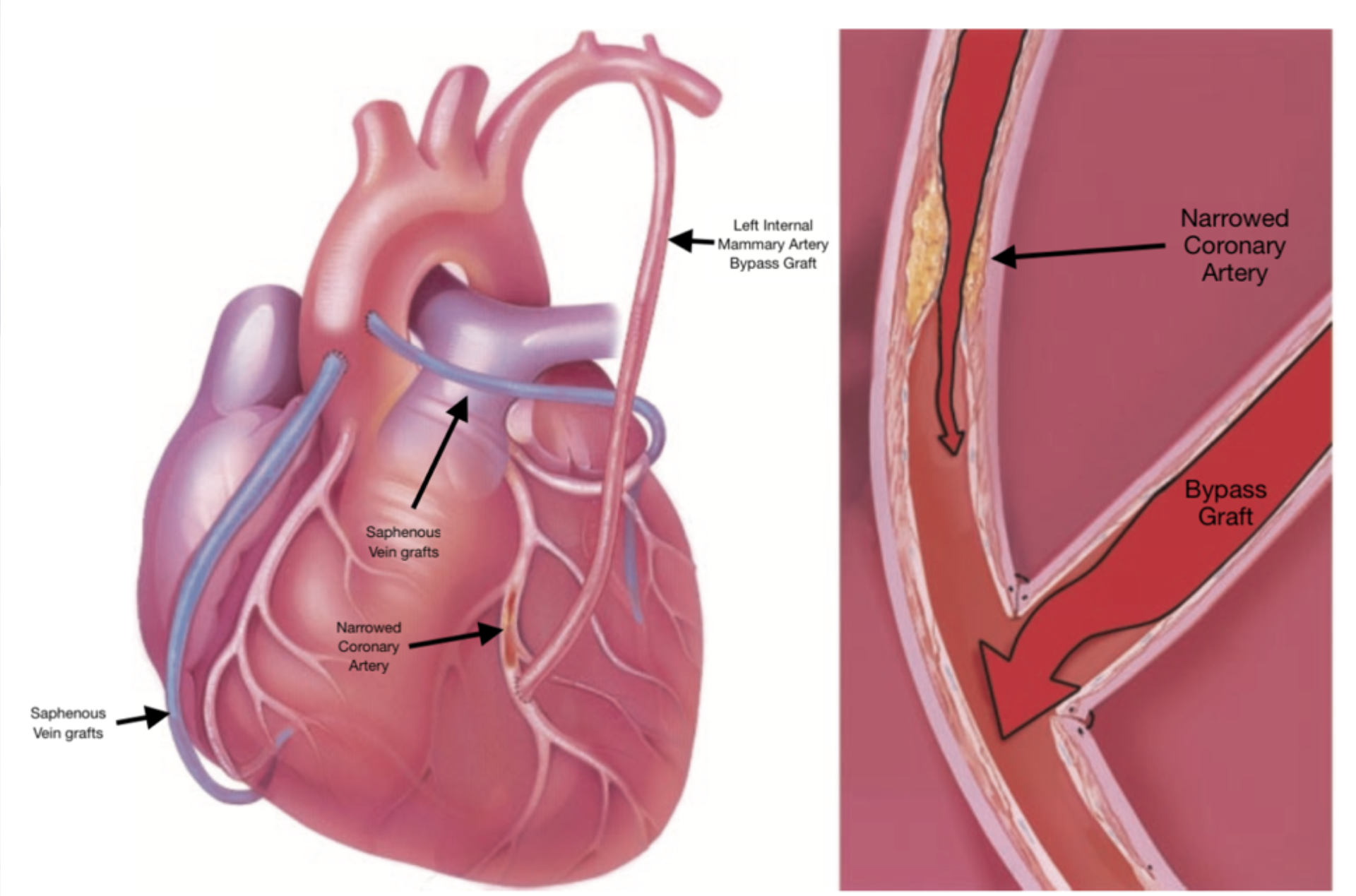
Understanding the blood supply to your heart
This heart is a muscular organ kept alive by millions of blood vessels supplying oxygen and nutrients to give it energy to keep pumping. The three main blood vessels that are of utmost importance are the Left Anterior Descending (LAD) artery, the Left Circumflex Artery (LCx) and the Right Coronary Artery (RCA). If the heart doesn’t get enough oxygen, chest pain or a heart attack can result.
Role of the 3 main coronary vessels
- The LAD – supplies the front and left hand side of the heart
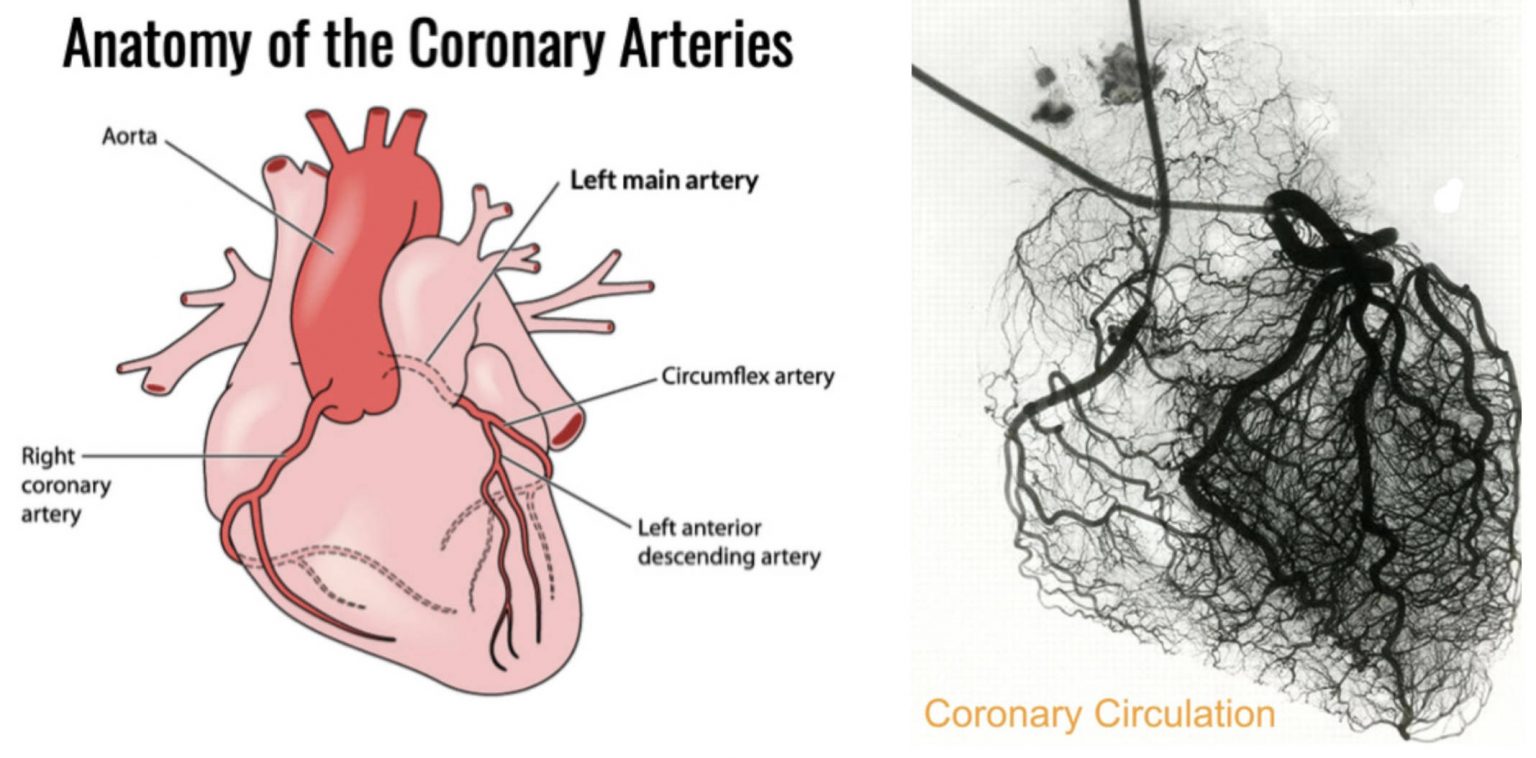
- The LCX – supplies the left and sometimes the back of the heart
- The RCA – supplies the right and bottom side of the hear
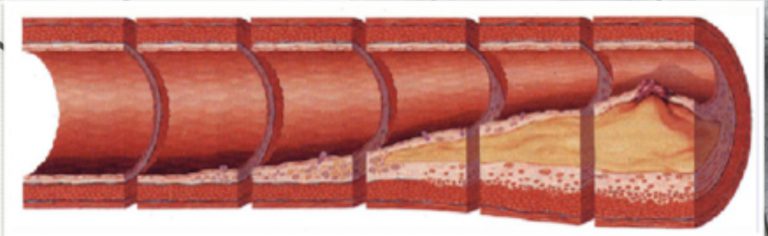
Blockages in the heart is due to a pathological process called Atherosclerosis.
Atherosclerosis (sometimes known as hardening or clogging of the arteries) is the process by which cholesterol and fatty deposits (called plaque) narrow the coronary artery, depriving the heart muscles of oxygen and nutrients it needs to function well. Over time, this can weaken or damage the heart. If a plaque splits or breaks, the body tries to fix this by forming a blood clot around it. The new clot can block blood in the artery and stop blood flow to the heart. This is a common cause of a ‘heart attack’.
Risk factors that cause atherosclerosis
Non-modifiable risk factors
- Ageing
- Menopause
- Family history of coronary artery disease
Modifiable risk factors
- Diabetes Mellitus
- Hypertension
- Hyperlipidemia
- Cigarette smoking
- Diet high in Cholesterol
- Stressful lifestyle
What is a Coronary Angioplasty?
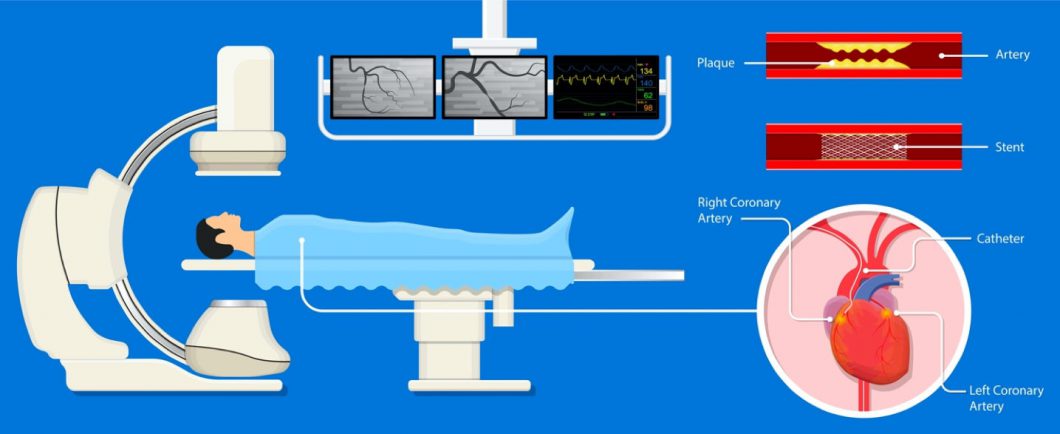
Coronary angioplasty is divided into:
- Balloon Angioplasty (also known simply as “ballooning”)
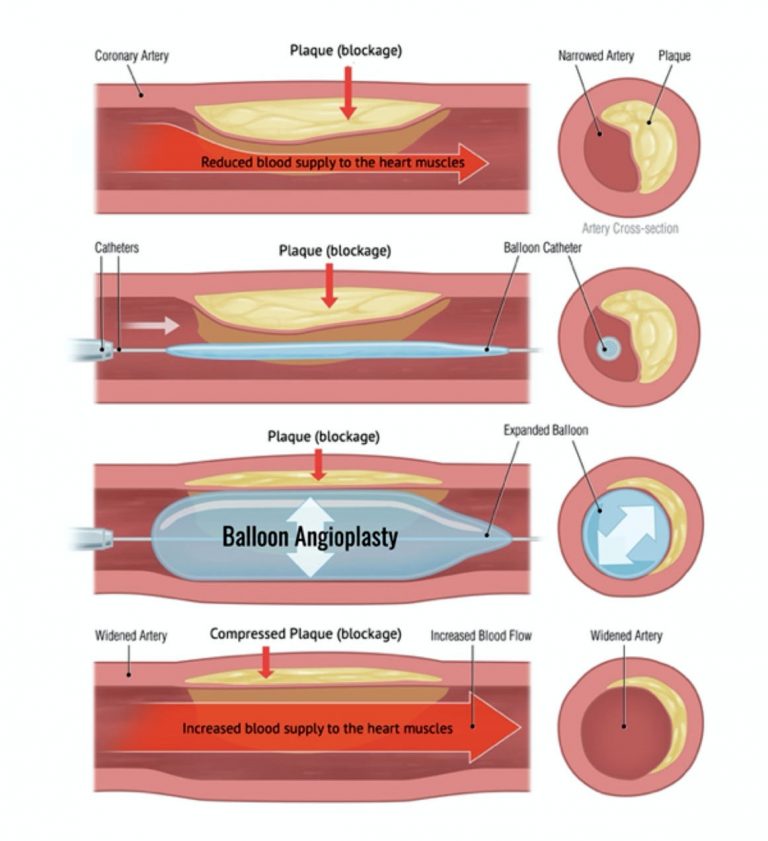
A small balloon at the tip of the catheter is positioned at the blocked or narrowed area of the coronary artery. When the balloon is inflated, the fatty plaque or blockage is compressed against the artery walls and the diameter of the blood vessel is widened (dilated) to increase blood flow to the heart. This procedure is sometimes complicated by vessel recoil and restenosis (renarrowing) and therefore often followed by placing a coronary stent to stabilize the blocked area and keep it from renarrowing.
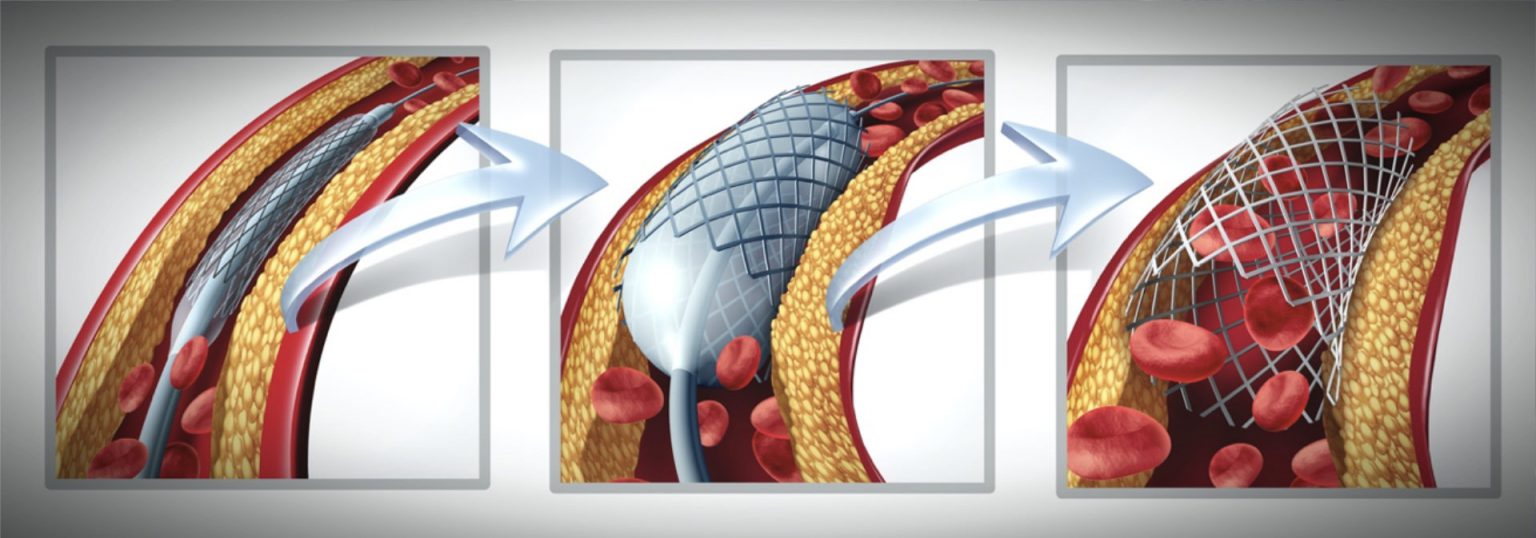
In most cases, balloon angioplasty is performed in combination with implantation of a stent. A stent is a small, metal mesh tube that acts as a scaffold to provide support inside the coronary artery.
A balloon catheter, placed over a guide wire, is used to insert the stent into the narrowed artery. Once in place, the balloon is inflated and the stent expands to the size of the artery and holds it open. The balloon is deflated and removed, and the stent stays in place permanently. During a period of several months, the artery heals by forming a thin layer of tissue over the stent and the stent gradually becomes part of the blood vessel wall.
Specialized techniques such as rotablation and shock-wave therapy may be used by your interventional cardiologist to treat more complex coronary disease if needed.
Contrary to what many believe, coronary angioplasty does not reduce the blockage by removing the cholesterol and fatty deposits (plaque). Instead, these deposits are displaced to the side by the stent so that normal blood flow may be restored.
Why do I need a Coronary Angioplasty?
1. You have Angina Pectoris | 2. Your cardiac test results are abnormal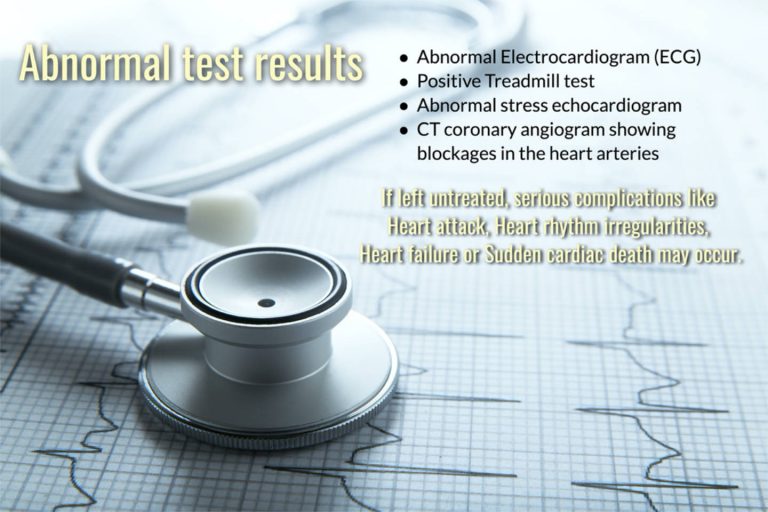 |
3. You are suspected of having a heart attack |


